Winding Road Sign: Meaning and Driver Response
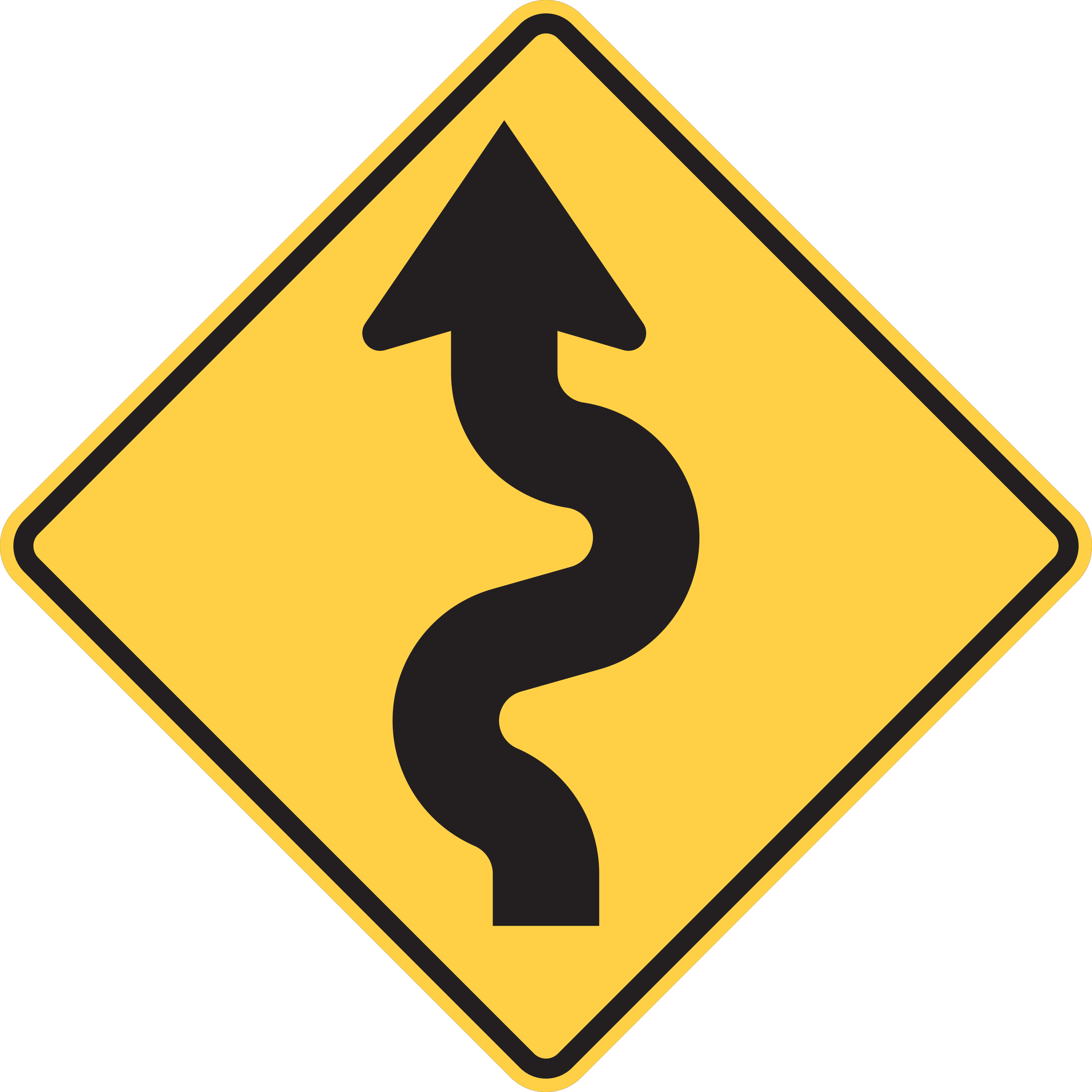
The Winding Road sign (MUTCD W1-5) is a diamond-shaped warning sign that alerts drivers that the roadway ahead contains a sequence of three or more consecutive curves.
Official Meaning and Curve Standards (MUTCD W1-5)
The Winding Road sign (MUTCD code W1-5, Section 2C.07) is installed in advance of a roadway section that features three or more successive curves. Per MUTCD Section 2C.07, the W1-5 sign may be used where there are three or more changes in roadway alignment, each separated by a tangent distance of less than 600 feet.
The arrow symbol curves back and forth in an S-like winding pattern. Under federal design specifications, the direction of the initial curve of the arrow indicates whether the first curve in the sequence bends to the left or to the right.
Because successive curves alter vehicle alignment repeatedly and restrict forward sight distance, the Winding Road sign may be supplemented by an Advisory Speed plaque (W13-1P, MUTCD Section 2C.59). The advisory speed displayed on the plaque is established by an engineering study based on free-flowing traffic conditions to advise drivers of the recommended speed for negotiating the alignment changes, rather than establishing an enforceable statutory speed limit.
How Drivers Should Respond to a Winding Road Sign
- Reduce speed as conditions and signs require: The W1-5 sign warns that several successive alignment changes are ahead. Slow down before entering the first curve.
- Stay within your designated lane: Maintain lane positioning throughout the sequence and remain prepared for the continuing changes in roadway alignment.
- Observe supplemental advisory speed plaques: If an Advisory Speed plaque (W13-1P) is mounted below the sign, adjust your travel speed according to the engineering study recommendation.
- Anticipate restricted forward sight distance: Consecutive curves can restrict forward visibility across bends. Watch for slower traffic, roadway obstacles, or approaching traffic near the center line.
The 5-Stage Horizontal Alignment Sign Hierarchy
The MUTCD establishes a precise distinction between signs used for horizontal alignment changes. Driver exams regularly test the difference between isolated curves, reverse curves, and winding roads:
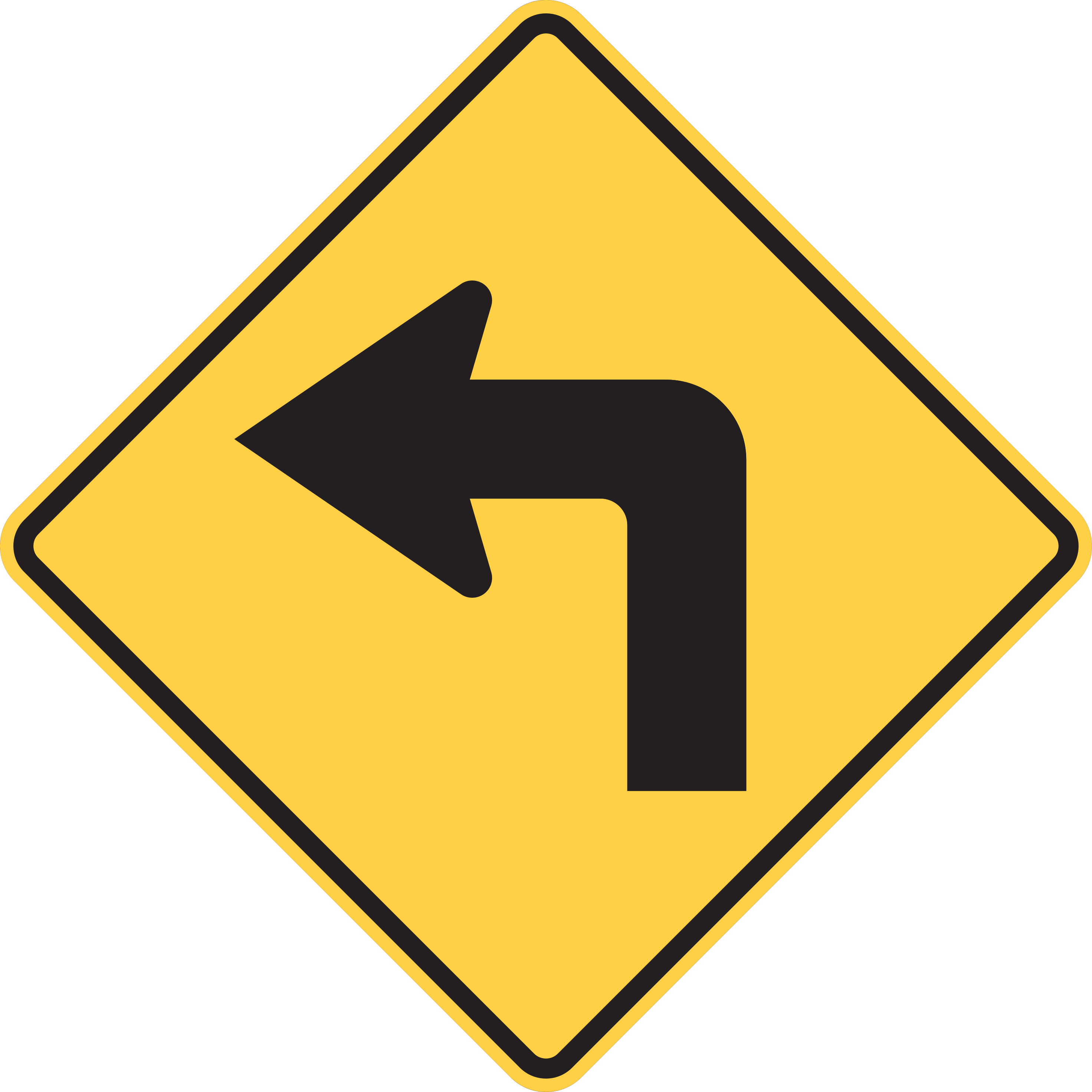
Turn (W1-1) features a sharp 90-degree right-angle arrow warning of a single sharp bend where the recommended advisory speed is typically 30 mph or less.
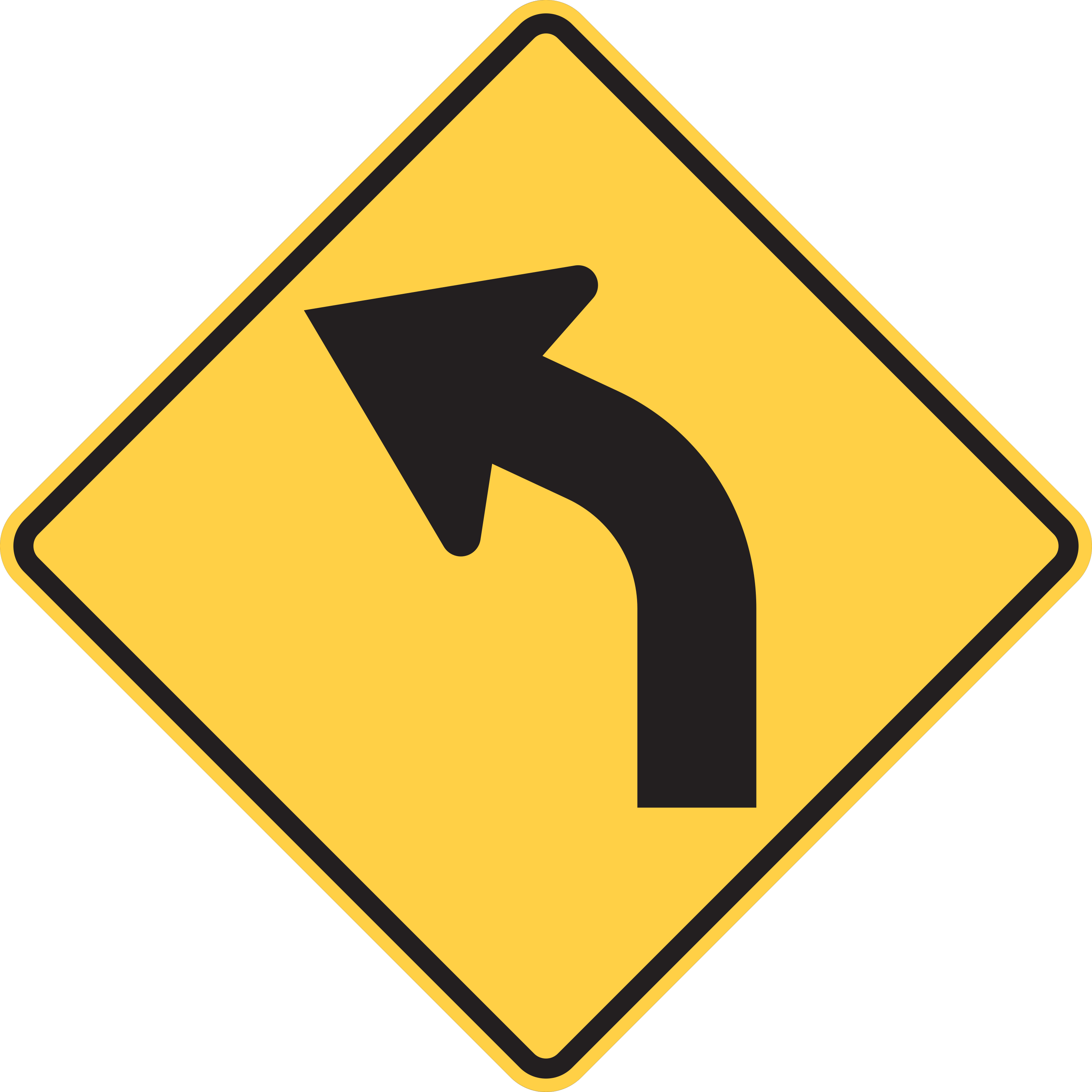
Curve (W1-2) shows a gradual curved arrow alerting to a single change in alignment where the recommended advisory speed is generally higher than 30 mph.
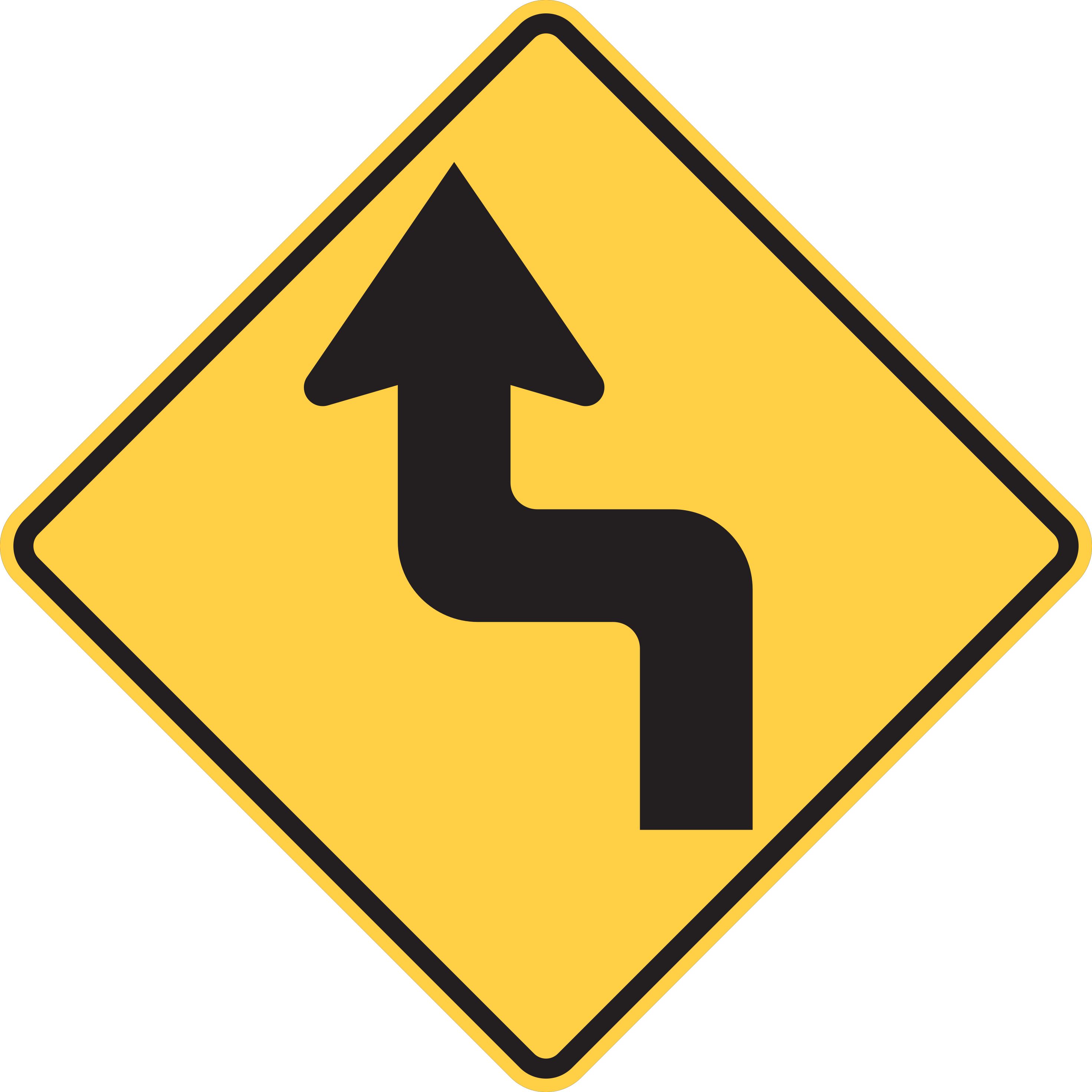
Reverse Turn (W1-3) warns of exactly two sharp turns in opposite directions with advisory speeds of 30 mph or less, separated by a tangent of less than 600 feet.
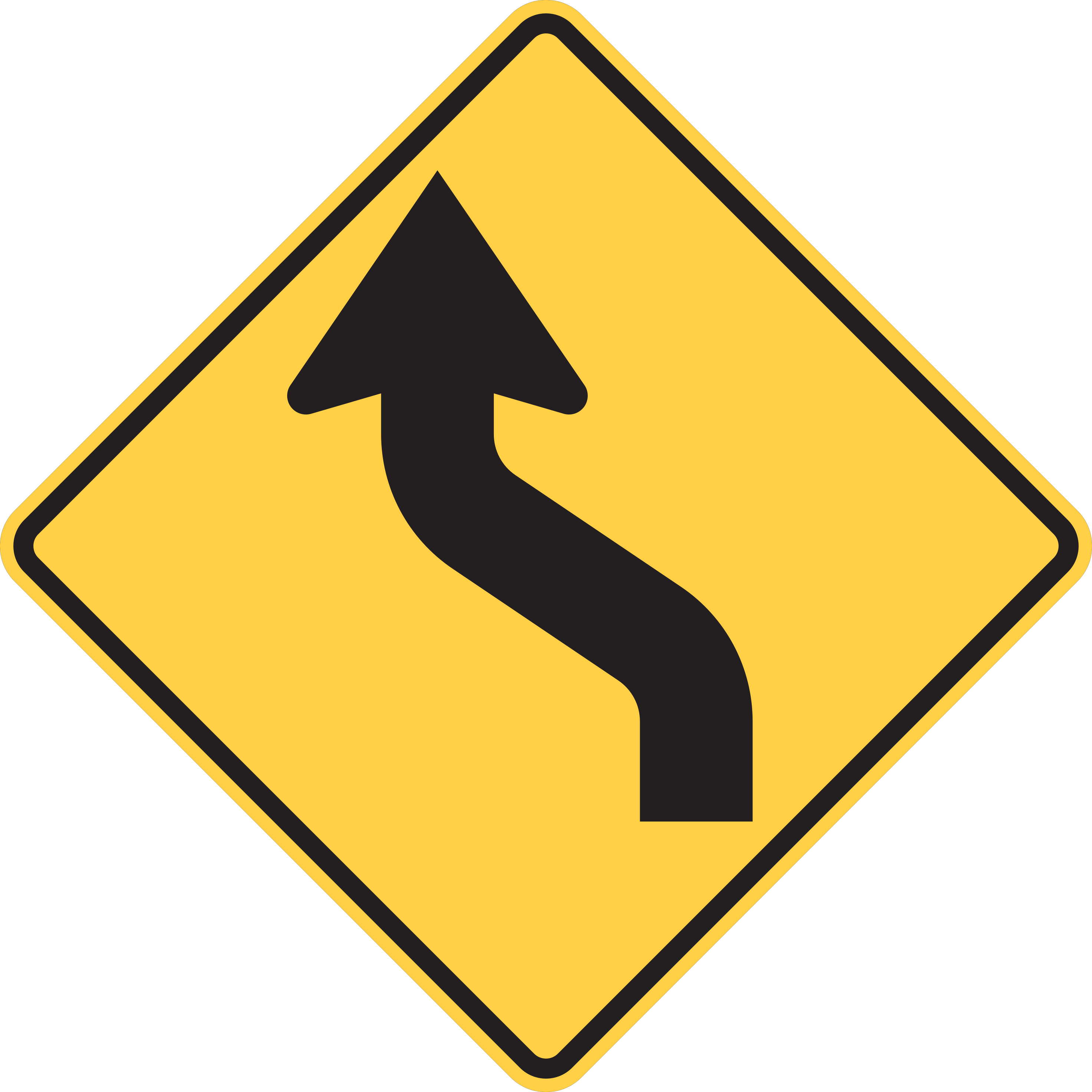
Reverse Curve (W1-4) warns of exactly two gradual curves in opposite directions with advisory speeds above 30 mph, whereas Winding Road (W1-5) indicates three or more successive curves.
Frequently Asked Questions
How many curves does a Winding Road sign indicate?
Under FHWA MUTCD Section 2C.07, a Winding Road sign (W1-5) indicates three or more successive alignment changes separated by tangent distances of less than 600 feet. If there are only one or two curves, engineers install Curve (W1-2), Turn (W1-1), Reverse Curve (W1-4), or Reverse Turn (W1-3) signs instead.
What does the first bend of the arrow symbol tell you?
The first curve of the arrow symbol shows the direction of the first turn you will encounter. If the arrow initially bends to the right, the first curve in the roadway turns right.
How should drivers prepare for a winding road?
Reduce speed before reaching the first curve as conditions and advisory signs require. Stay entirely within your designated travel lane and remain alert for continuing direction changes and restricted sight distance across each bend.
What is the purpose of an advisory speed plaque with a Winding Road sign?
An Advisory Speed plaque (W13-1P) supplements the warning sign to display an advisory speed determined by an engineering study using free-flowing traffic conditions. It advises drivers of a recommended traveling speed for the alignment, rather than establishing a regulatory speed limit.
Official Source Citations
- FHWA MUTCD 11th Edition with Revision 1 (December 2025): Section 2C.07 (Horizontal Alignment Signs, W1-1 through W1-5), paragraphs 1–3; Section 2C.59 (Advisory Speed Plaque, W13-1P); Figure 2C-1 (View Federal Source)
- FHWA Standard Highway Signs (2024 Release 4): Drawing W01-05 Horizontal Alignment - Winding Road (p. 3-8); SVG W01-05 (View Federal Source)